
Day One at the S4x26 POC Pavilion: 11 Minutes and 42 Seconds


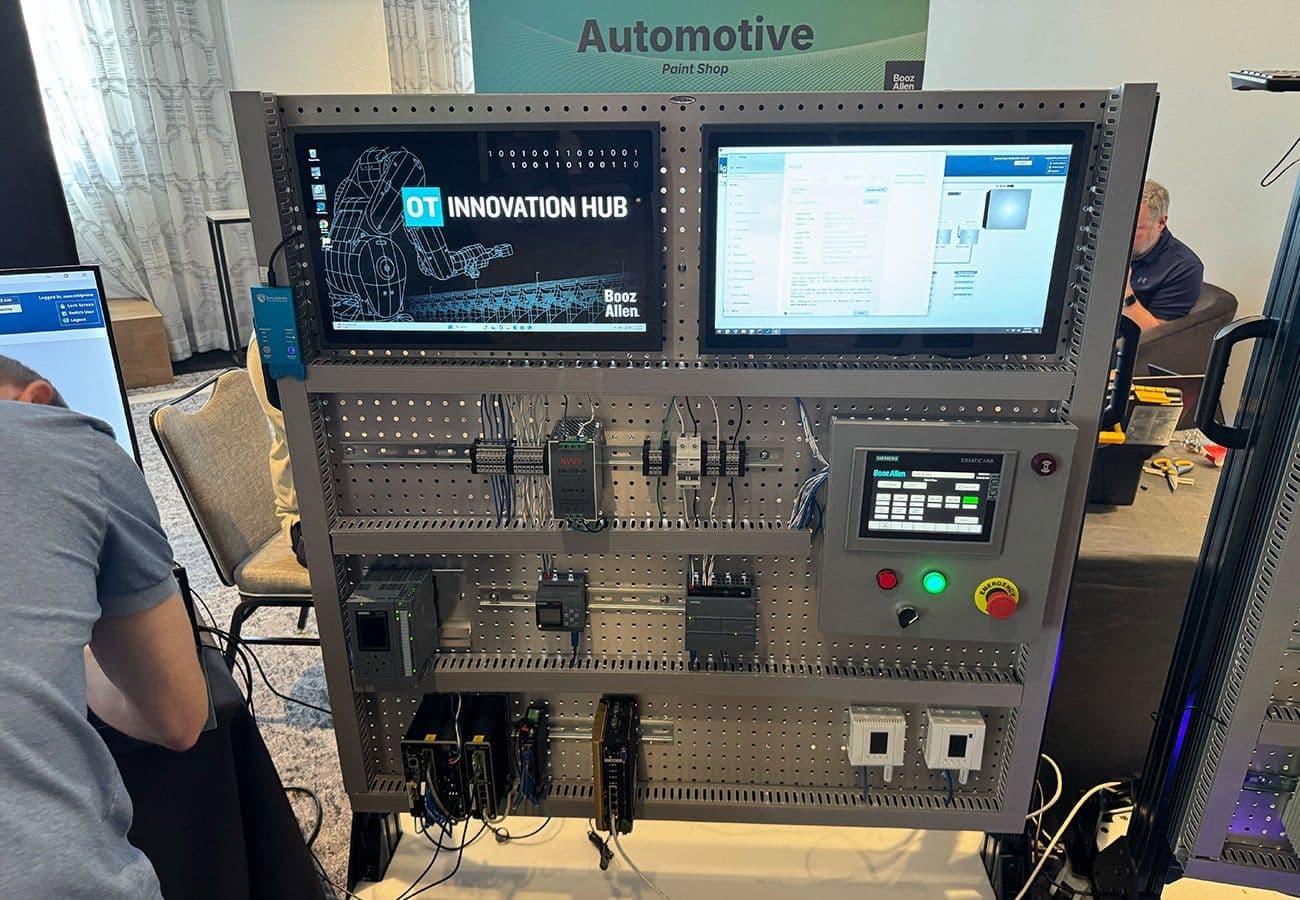
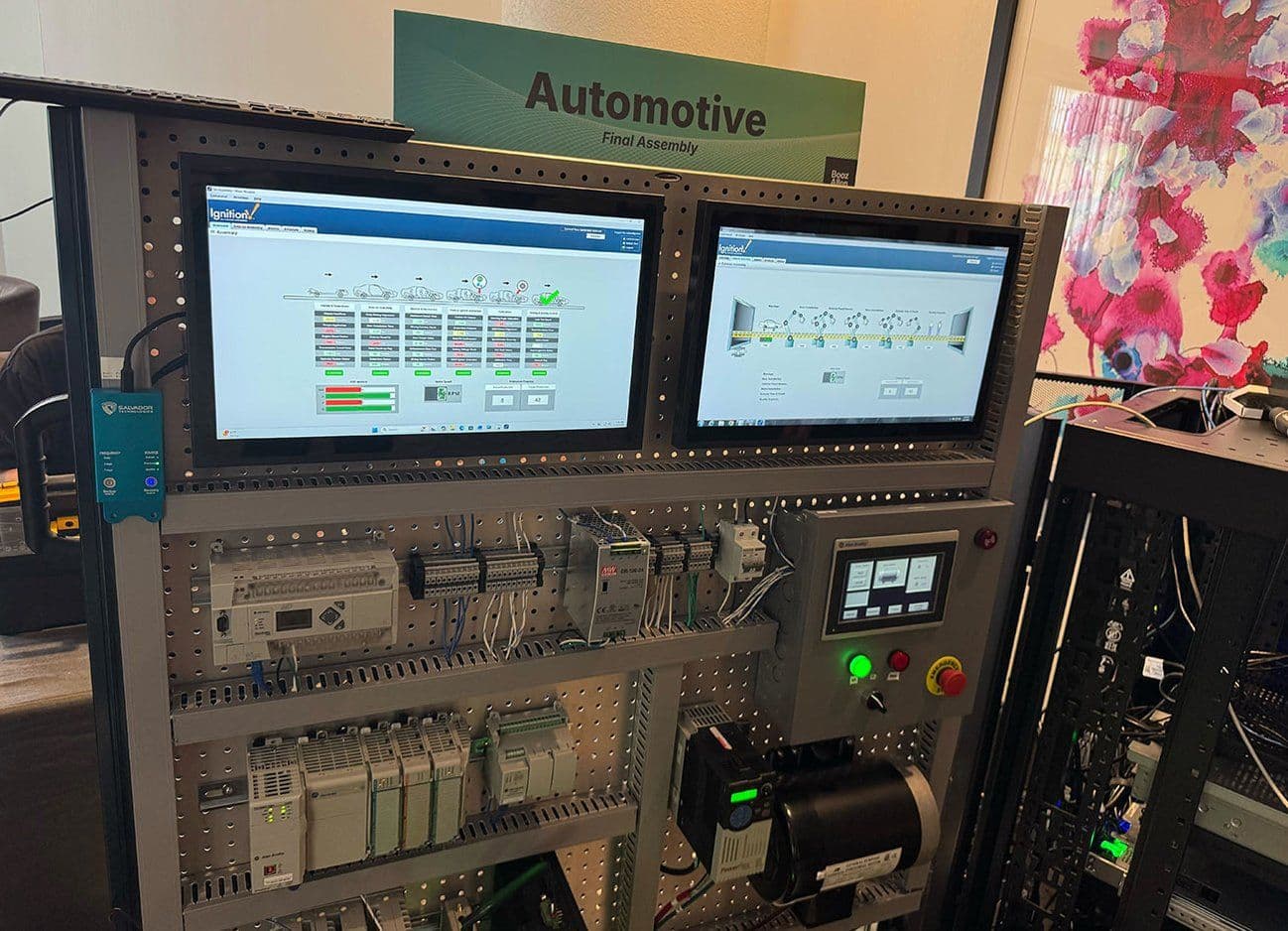
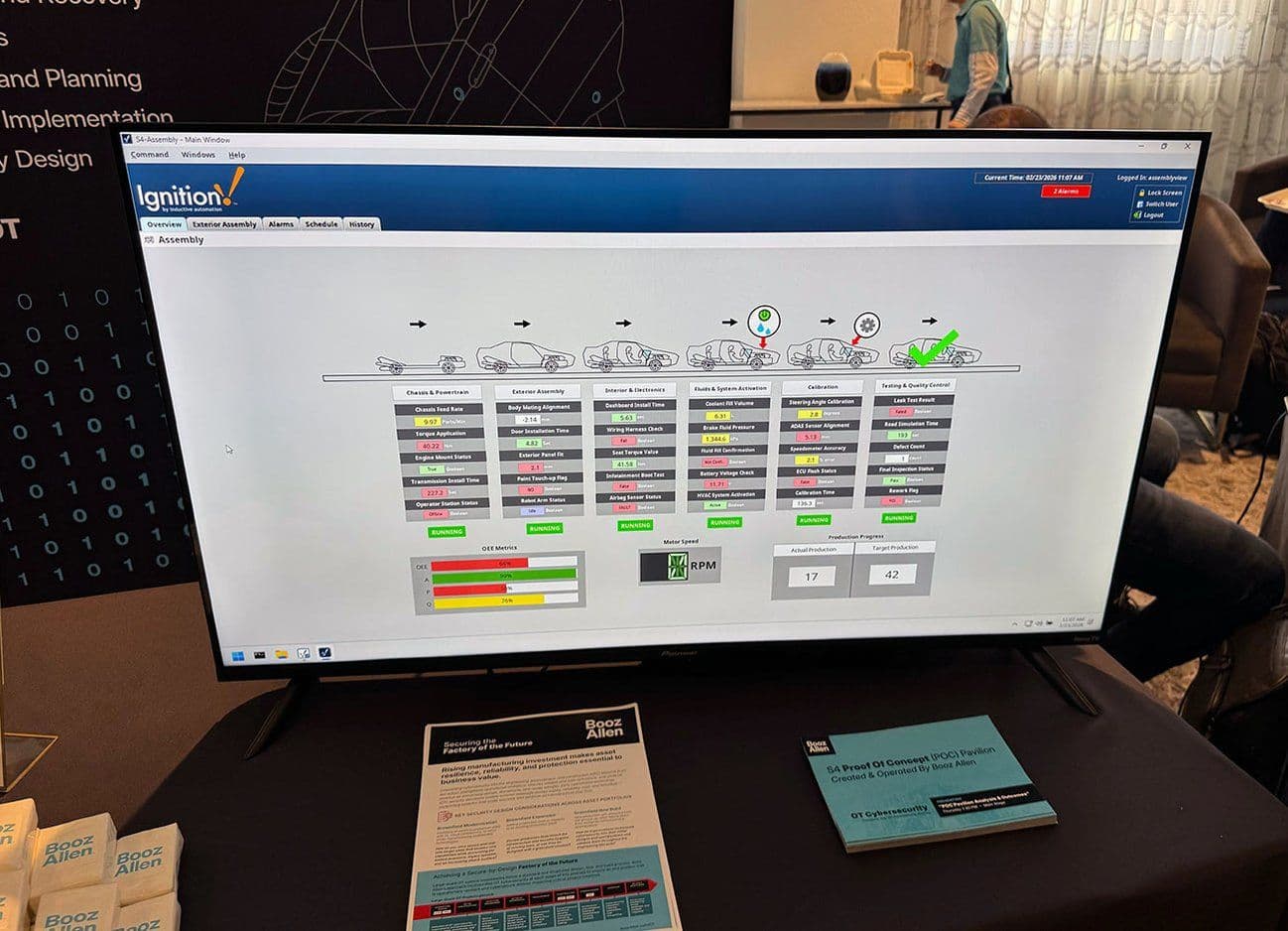
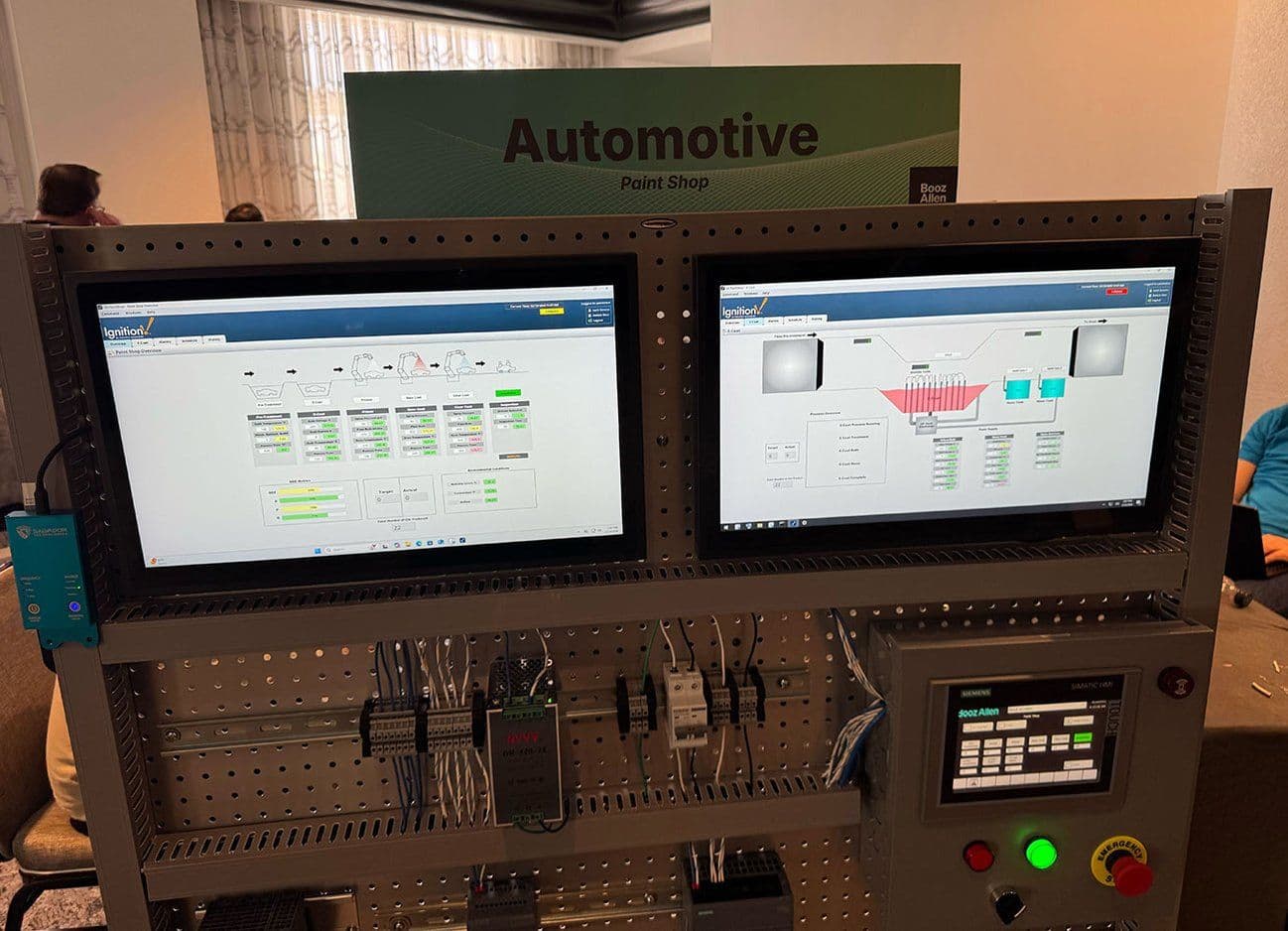
If you know S4, you know the POC Pavilion. Dale Peterson and the Booz Allen team build a highly realistic manufacturing environment (MES, SCADA, HMI, and PLC layers running Inductive Automation, Rockwell, and Siemens) and eight vendors install their products on it. No canned demos. No safety net. You either prove it works or you don't.
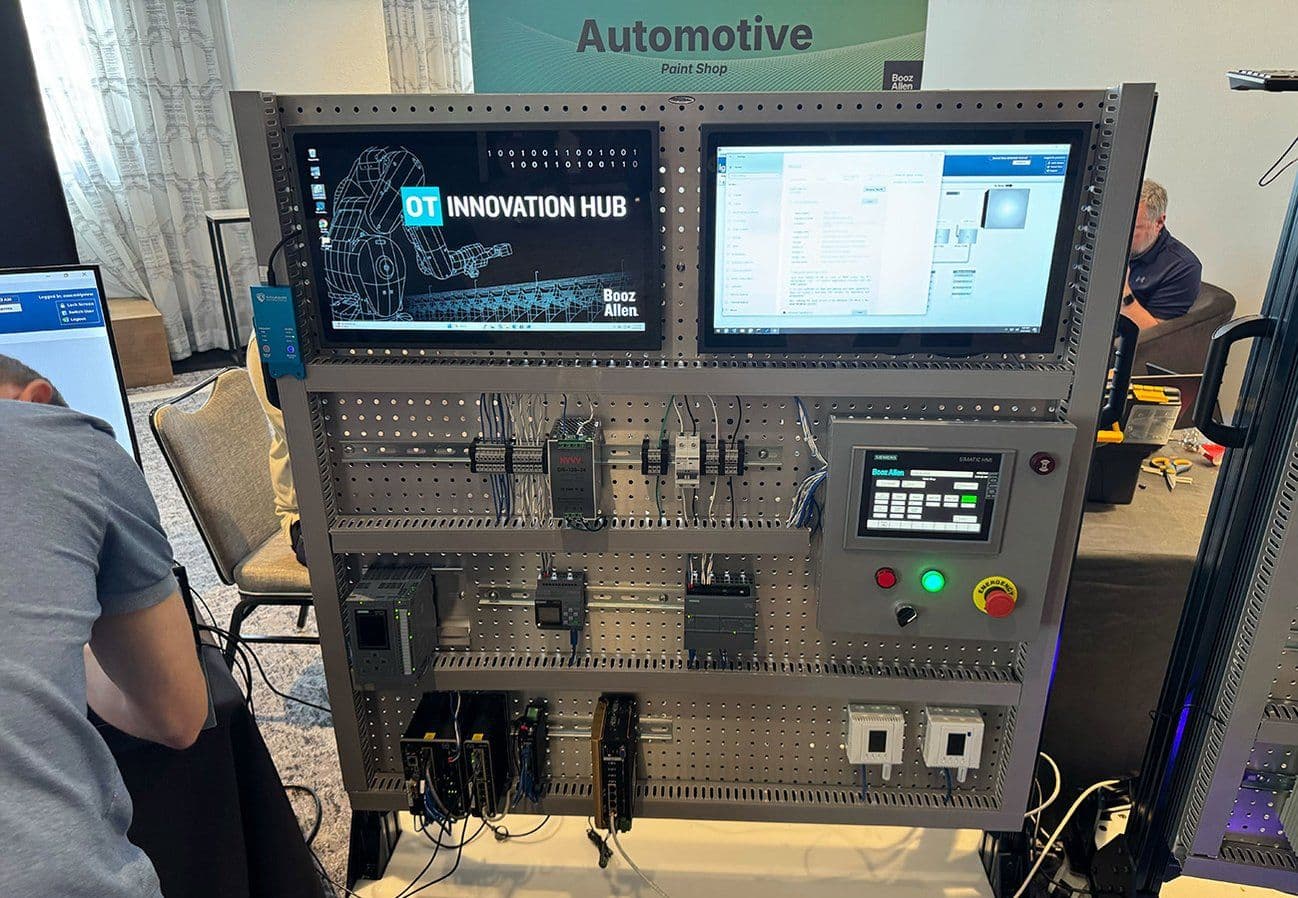
Here's how Day One went for Frenos.
12:41 PM. Go Time
We received the firewall configurations from Booz Allen at 12:41 PM. This is where most deployments start measuring in days or weeks. Racking hardware, provisioning sensors, scheduling maintenance windows, coordinating access.
We took a different path.
By 12:47 PM, our consequence-free digital twin was fully built.
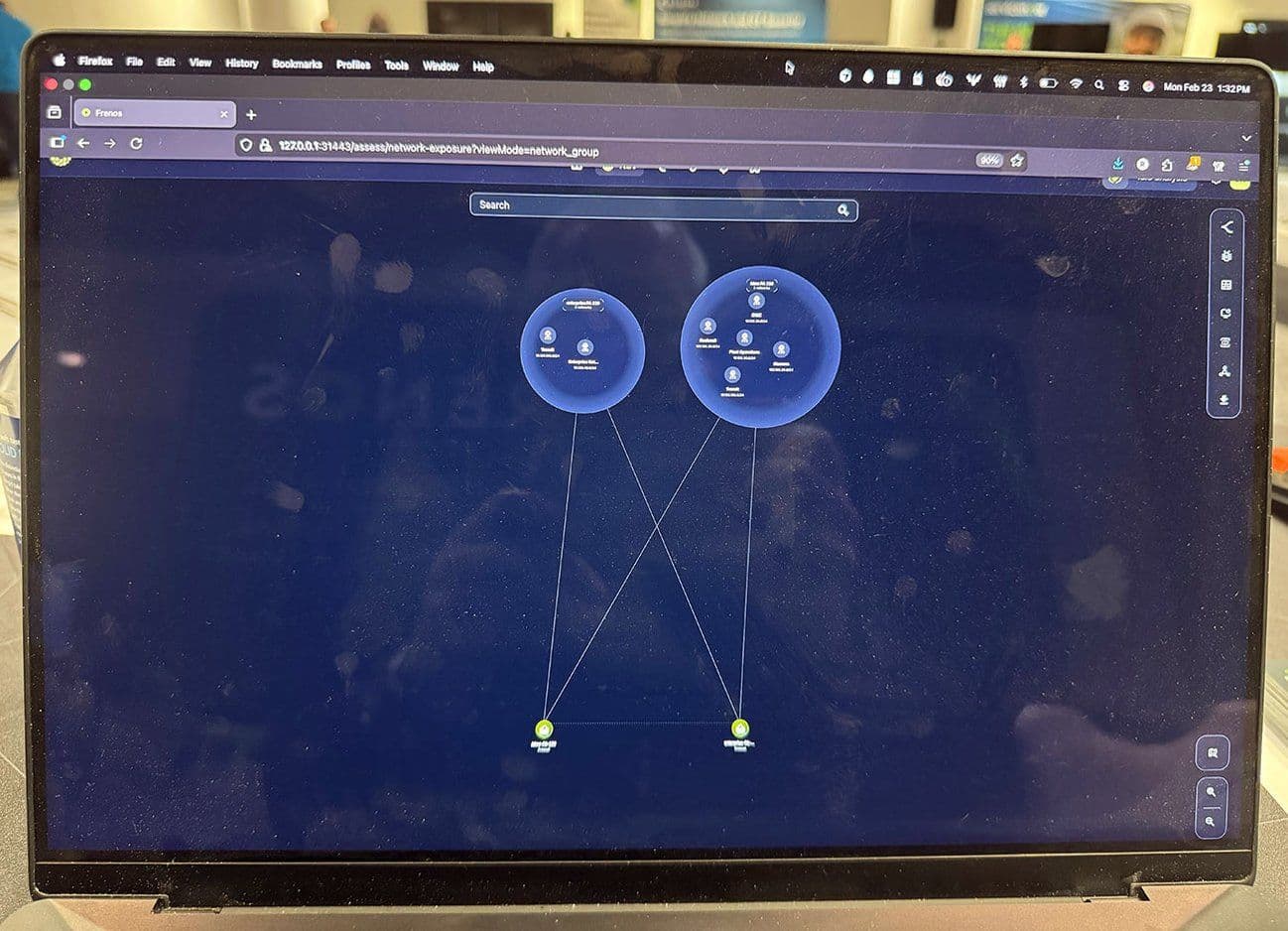
Six minutes. From raw firewall data to a complete digital replica of the POC environment, ready for SAIRA to start exploring every attack path.
Total installation time: 11 minutes and 42 seconds.
No hardware. No sensors. No agents. No span ports. Just the data the environment already produces. Frenos was fully operational on a network we'd never touched before.
What Happened Next
With the digital twin built, Frenos is installed and ready. But we don't have attack path simulations yet. Here's why.
Frenos is designed to ingest data from passive monitoring and asset inventory platforms like Claroty and Dragos, both of whom are also participating in the POC Pavilion. Those platforms depend on SPAN ports to begin deep packet inspection and asset discovery, and as of Day One, the SPAN ports hadn't been turned on yet. Until they're live and producing asset inventory and network data, Frenos doesn't have the full environmental context to unleash SAIRA across the network.
That's the beauty of how this works. Frenos is complementary by design. When those visibility tools come online and start feeding data, SAIRA will immediately begin simulating 50+ threat actors across 2,400+ adversary actions, identifying exploitable attack paths, validating vulnerability exploitability against real firewall rules and routing, and scoring every mitigation by real-world impact.
We're installed. We're integrated. We're waiting on the data. Stay tuned.
Massive shoutout to Harry Thomas, Colin Murphy, and the entire Frenos engineering team. Eleven minutes and forty-two seconds doesn't happen by accident. It happens because the team built something real.
If you're at S4x26, come find us at the POC Pavilion.
Frenos. Build your resilience.
Related Resources
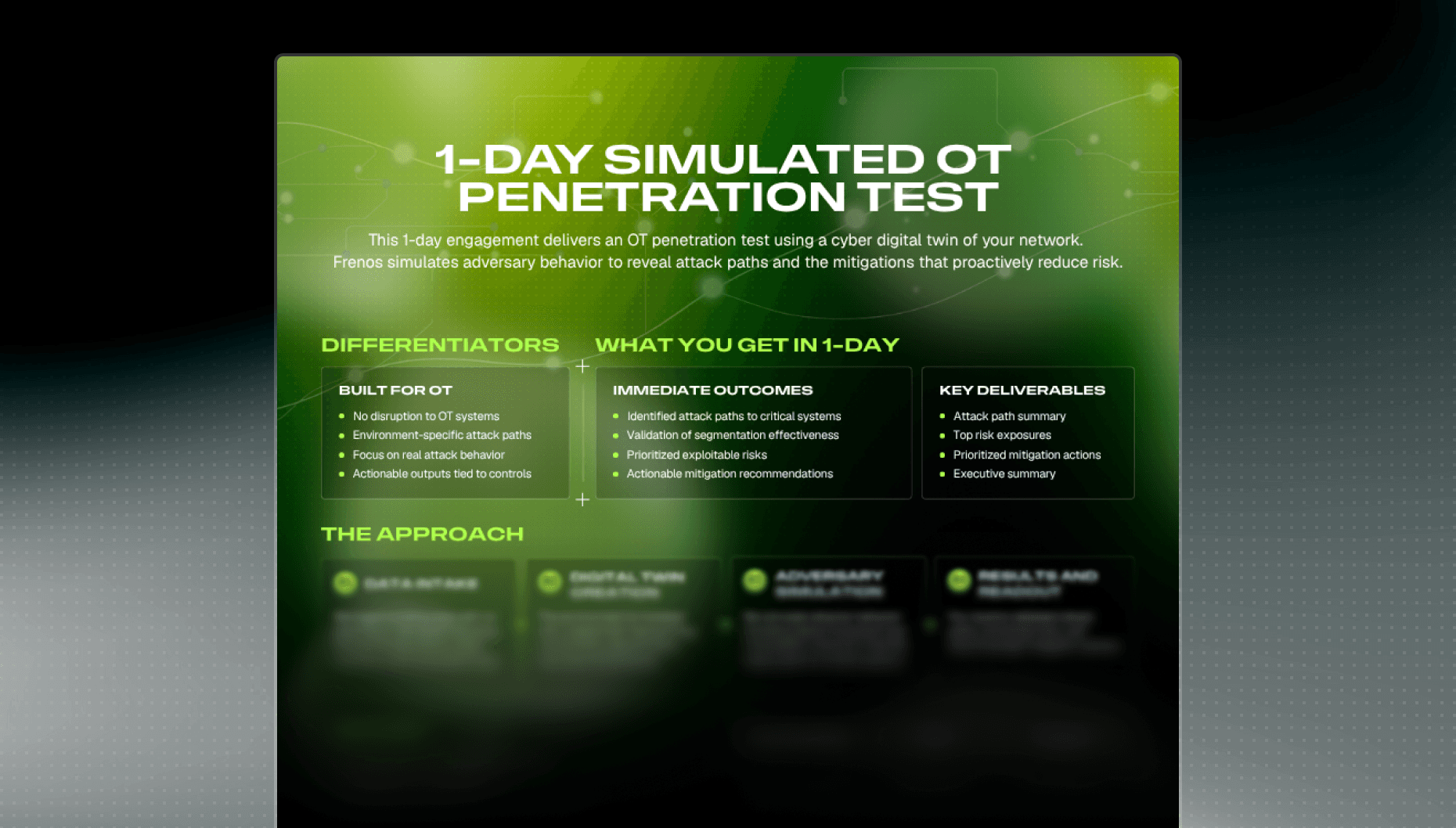

1-Day Simulated OT Pentest
Take a deep dive into understanding how Frenos' simulated OT penetration testing platform allows you to understand and improve your OT security posture at scale.
Read more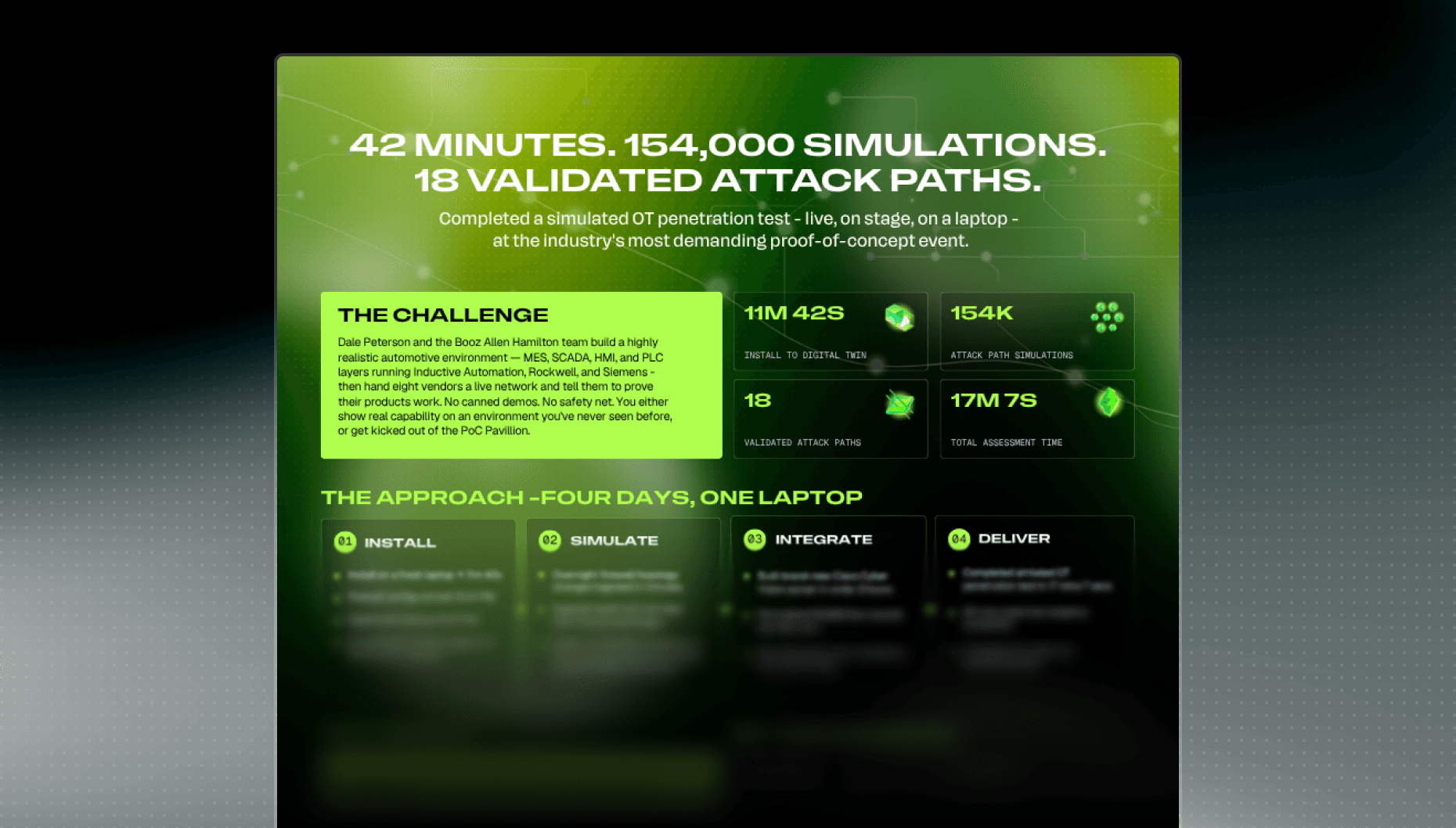
S4x26 Case Study
At the S4x26 POC Pavilion, Frenos completed 154,000 OT attack path simulations in 17 minutes and 7 seconds in a documented engagement. From three assumed-breach starting points (iDMZ, Plant Operations, Enterprise), the platform validated 18 attack paths into the critical Rockwell and Siemens zone. Those paths are exploitable given the actual controls, firewall rules, routing, and configurations modeled in the digital twin.
Read more
Threat Intelligence
Transform static threat intelligence into dynamic attack simulations. Reveal exactly how specific threat actors could compromise your OT environment before they try.
Read more